
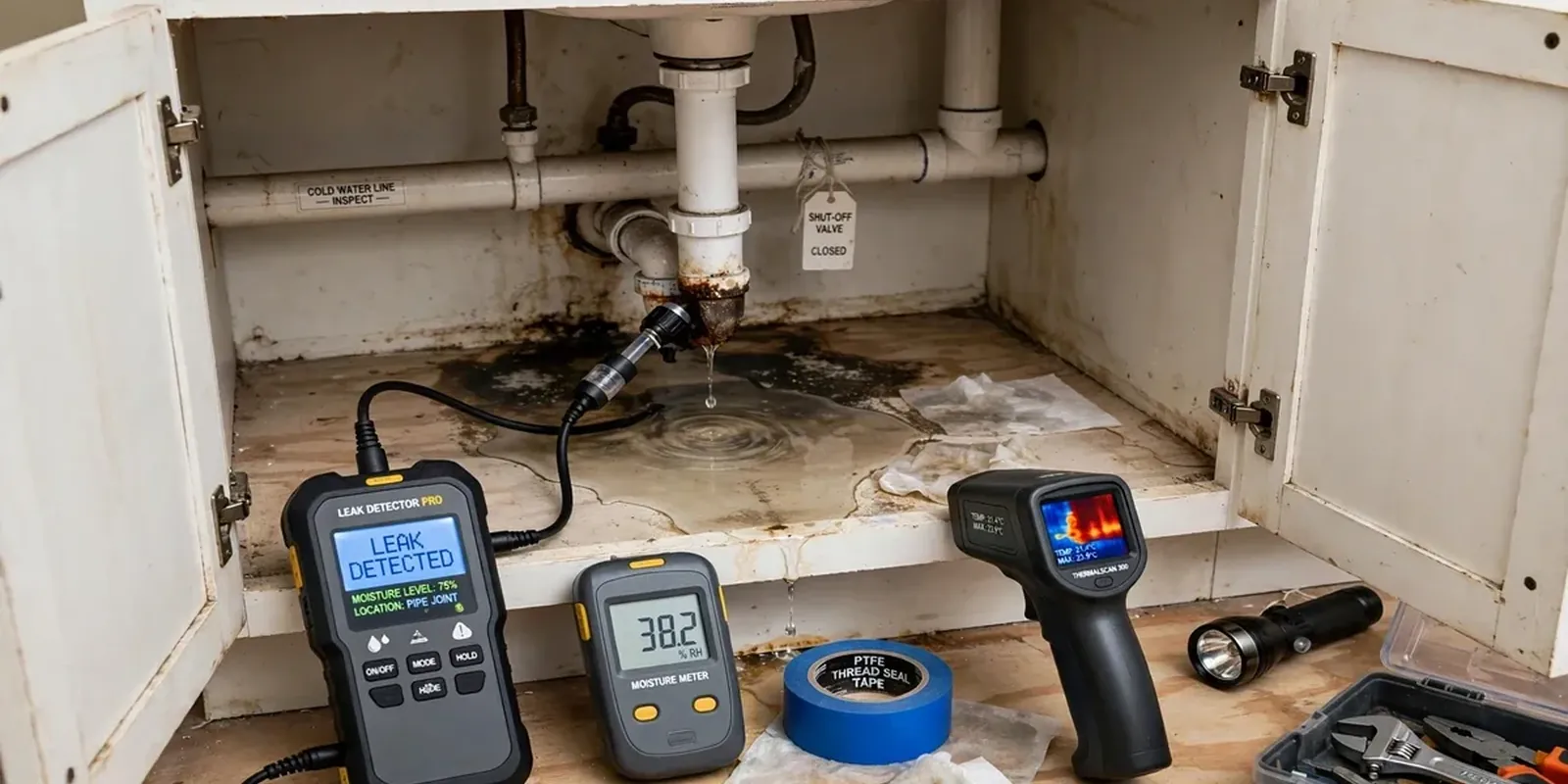
The first ten minutes
Stop the water. Close the shutoff under the fixture, or the unit valve. Move belongings. Photograph the leak, the damage and the date. Then tell the owner or manager in writing, by email or text, so you have a record.
If the water is spreading and the owner cannot be reached, call a plumber and keep the receipt. Tell the owner you did so. An emergency is the case where waiting costs more than acting.
Who is usually responsible
Cause drives the answer.
| Situation | Usually handled by | Note |
|---|---|---|
| Burst or leaking supply pipe in a wall | Owner | Building plumbing system |
| Failed fixture, such as a toilet or faucet | Owner, usually | Unless misuse or damage by the tenant |
| Clogged drain from normal use | Often owner, check lease | Misuse may shift cost |
| Backup from the main or stack | Owner | Shared building lines |
| Tenant-installed items | Tenant | Appliances you added |
| Leak caused by tenant damage | May fall on the tenant | Documented cause matters |
What to put in writing
A written notice should state the unit, the date, the location of the leak and what you did to limit it. Keep copies of every message. If the owner does not respond within a reasonable time, send a second notice. Your records help in any later dispute.
Take dated photos of damaged belongings and keep receipts for anything you must replace. If you have renters insurance, tell the insurer promptly. It may cover your belongings, and the owner's insurance may cover the building.
What not to do
These steps protect your position.
- Do not withhold rent without legal adviceRules are strict and the risks are real.
- Do not hire a contractor and bill the owner without noticeGive the owner a chance to respond first, unless it is an emergency.
- Do not ignore a small leakIt grows and can lead to mold.
- Do not open walls yourselfYou may cause damage and create liability.
When the leak is in the walls or the building
A leak in a shared wall or a riser affects more than one unit. The owner needs to open a wall or arrange access, and a leak detection visit often comes first. We describe that process on the leak detection page.
If you see mold, a persistent musty smell or a ceiling that sags, tell the owner at once. Those are habitability issues, and local housing authorities can help. For burst lines specifically, see burst pipe repair.
Leak or mold: when it turns into a habitability issue
A small leak fixed within days is a repair. A leak left for weeks can grow mold, rot wood and stain finishes, and then it becomes a habitability question. Tenants and owners both gain by acting fast.
If you see dark spots, smell mustiness or notice a soft floor, say so in your first message. Include dates and photos. That record shows when the owner was told, and it helps a city housing office or a court understand what happened.
Items to keep in one folder
A tidy file helps if a dispute arises.
- Your lease and any addendaThey set maintenance duties.
- Dated photos and videoShow the leak and the damage.
- Every message with the ownerKeep texts and emails.
- Receipts and invoicesFor repairs and replaced items.
- Renters insurance policyKnow what it covers before you need it.
How a plumber fits into the picture
A plumber can find the source, stop the leak and write down what was found. A written finding is useful, since it shows whether the cause was a worn pipe, a failed fixture or something else. That matters when two parties disagree on who pays.
If the owner hires the plumber, the report goes to the owner. If you hire one in an emergency, tell the owner at once and send the invoice with the report. A calm, documented record resolves most disagreements.
Talking to your neighbors and your manager
In a shared building, a leak often involves a neighbor. If water comes through your ceiling, a note on the neighbor door and a message to the manager works better than a confrontation. Most leaks are accidents, and neighbors want them fixed too.
Offer access so the plumber can find the source. A leak that sits behind a locked door keeps damaging both units. Share photos and dates, and ask the manager to confirm when the repair is scheduled.
If you are the manager, a quick reply with a date is worth more than a long explanation. Tenants forgive delays when they know what is happening.
What shapes the cost of a plumber in a rental
The invoice is clear before work starts.
A fixture repair and a wall repair differ.
Shared walls and tenant access need coordination.
Finding a hidden leak adds a step.
Emergency visits cost more.
Owner approval keeps billing simple.
Renters insurance covers belongings, and building insurance covers the structure. Neither covers worn pipe. Ask both.
West Hollywood tenants and the rent stabilization rules
West Hollywood has a high share of renters. Census QuickFacts for 2019 to 2023 puts the owner-occupied rate at 20.5 percent, so about four in five households rent. The city's rent stabilization ordinance covers properties with an original certificate of occupancy before July 1, 1979. The city's Rent Stabilization and Housing Division handles questions about covered units, and it is the right place to ask about notice and repair rights.
If you live in the Hollywood Hills or in Hollywood proper, you are in the City of Los Angeles, which has its own tenant rules. Our Hollywood page and Hollywood Hills page explain which city applies, and the same plumbing facts hold either way.
Local questions answered
An owner is generally required to maintain habitable plumbing. If not, local housing and tenant agencies can help.
In an emergency, yes, and you should tell the owner. Otherwise give the owner a chance to respond first.
Renters insurance may cover them. The owner may be liable if the leak came from neglected plumbing.
Rent stabilization covers buildings with a certificate of occupancy before July 1, 1979. Ask the city housing office about your unit.
Sources and standards
Facts and rules on this page come from the public sources below. Check them for the current wording before you rely on a detail.
- California Plumbing Code (Title 24, Part 5), which is based on the Uniform Plumbing Code (UPC) published by IAPMO.
- U.S. Census Bureau QuickFacts for West Hollywood city, California.
- City of West Hollywood rent stabilization rules, which cover properties with an original certificate of occupancy before July 1, 1979.
Got a plumbing problem in West Hollywood? Call the line.
Call (213) 672-5590